
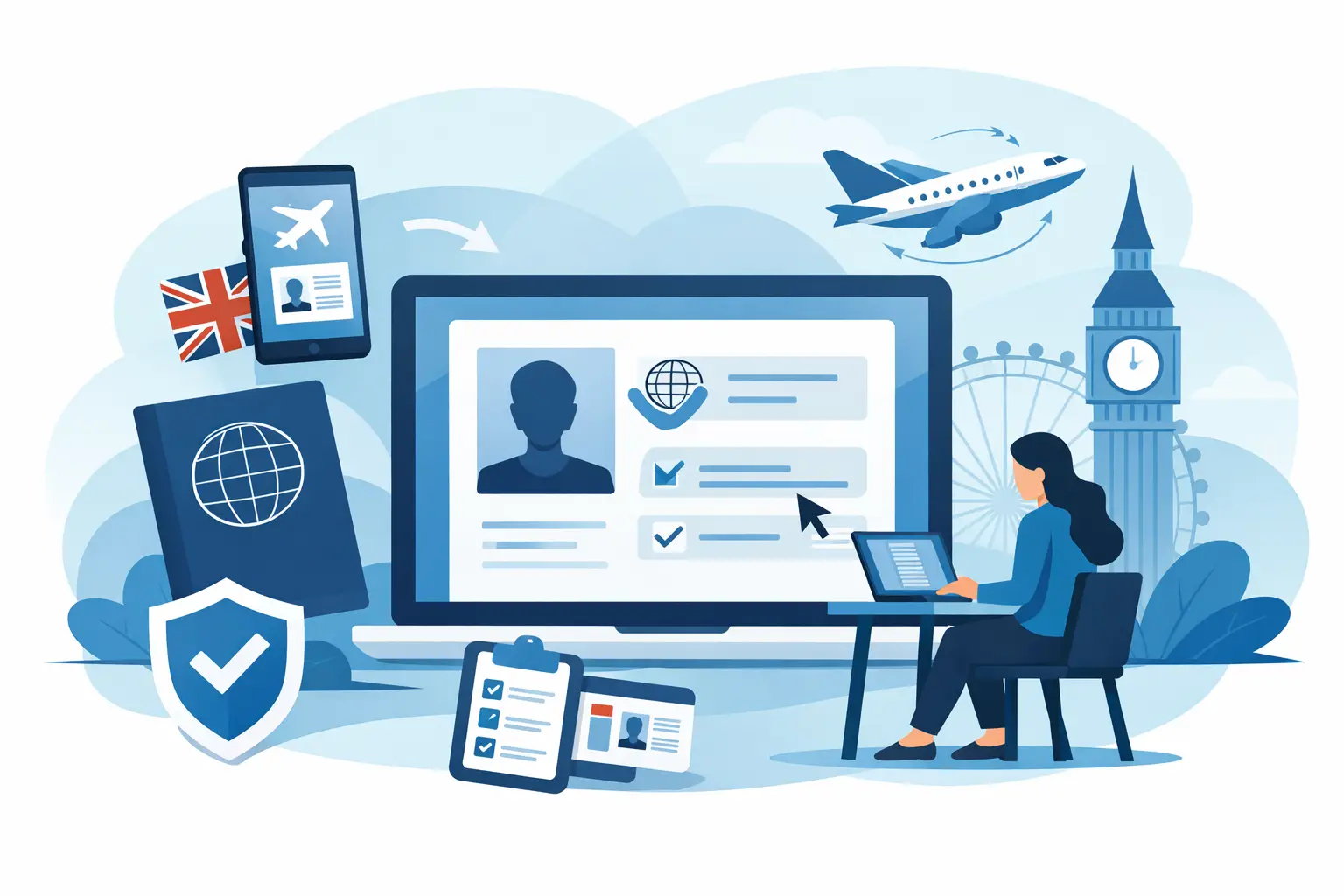
A new passport may feel like a straightforward administrative change. For a person with UK immigration status, however, it can affect how they prove their right to live, work, rent or travel. Knowing how to update UKVI eVisa details promptly helps ensure that the digital record relied on by employers, landlords, airlines and the Home Office remains accurate.
Your eVisa is an online record of your immigration permission. It is accessed through a UKVI account, rather than being held in a physical document. If the identity document connected to that account changes, you should not assume that your status will automatically appear against your new passport.
When should you update your UKVI eVisa?
You should usually update your UKVI account as soon as there is a change to the document or personal information used to access your eVisa. The most common reason is receiving a new passport, whether because the previous passport has expired, is close to expiry, has been lost, stolen or damaged, or because you have renewed it.
An update may also be needed after a change of name, date of birth, nationality, sex marker or contact details. Name changes can arise after marriage, divorce or another personal change. They need particular care because the name on your UKVI account, travel document and supporting evidence should not create avoidable inconsistencies.
This is not simply a matter of convenience. An out-of-date travel document linked to your account can create difficulties at the border or when you need to generate a share code to prove your rights. It may be especially stressful if you are travelling urgently, starting a new job or trying to satisfy a right to rent check.
How to update UKVI eVisa details online
In many cases, you can use the Home Office online service to update your UKVI account. Before beginning, gather your current passport or identity document, your new document where applicable, and the sign-in details for the UKVI account linked to your eVisa.
After signing in, you will be asked to confirm your identity and select the type of information that has changed. The service may ask you to scan your passport chip using a compatible mobile phone, upload an image of the document, or answer questions to verify your identity. Follow the instructions carefully and check every entry before submitting it.
Where you are updating a passport, use the new passport details exactly as they appear in the document. Small errors in a name, date of birth or passport number can lead to a mismatch later. If your name is different from the one held by UKVI, you may need evidence explaining the change, such as a marriage certificate, decree absolute or deed poll.
Keep a record of the submission confirmation and any reference number. If the online service tells you that a change has been made, sign back into your account and check that your eVisa displays the correct identity document and immigration status. Do not wait until the day you are due to travel to carry out this check.
Check the status itself, not only the passport details
Updating an account is not the same as applying for a new visa or extending an existing one. The process should connect your existing immigration status to the correct details. It does not normally alter the expiry date or conditions of your permission.
Review the eVisa carefully once the update is complete. Check your name, date of birth, nationality, type of leave, expiry date and any conditions attached to your permission. If you have been granted indefinite leave to remain, ensure that this is displayed correctly. If you have limited leave, make a diary note of its expiry date and plan any extension application well before then.
Changes that may need more than an account update
Some changes should not be treated as a simple eVisa update. A change in your personal circumstances may affect the basis on which your immigration permission was granted, particularly if you hold a partner or family visa.
For example, a relationship breakdown, separation from a sponsoring partner, domestic abuse, the death of a partner, or a significant change in arrangements for a child can have serious immigration consequences. In these circumstances, updating a passport or contact address will not resolve the wider issue. You may need to notify the Home Office and consider whether you qualify for a different immigration route.
Similarly, if there is an error in your immigration status itself, such as the wrong visa expiry date or conditions, do not assume that changing your account details will correct it. You may need to raise the error through the appropriate Home Office process and provide evidence of the decision that was made in your case.
A person whose passport has been lost or stolen should take additional care. Replace the passport through the relevant embassy or consulate where necessary, then update the UKVI account once the new document is issued. If travel is imminent or your ability to prove your status is affected, seek advice early rather than relying on assumptions about what will appear online.
Common problems when updating an eVisa
The online process is designed for routine changes, but it does not work perfectly for every case. Difficulties can occur where the email address or telephone number used to create the account is no longer available, the identity check fails, the new passport cannot be scanned, or the information held by UKVI differs from the information in your current documents.
Some people also have historic immigration records, old biometric residence permits, multiple passports or previous applications made under a different name. These cases can require more careful handling. Repeated attempts to force an online update may not solve an underlying record issue and can leave you without clarity at a time when you need to prove your rights.
If you cannot access your UKVI account, use the account recovery options provided within the official service. Do not share your security codes or account credentials with anyone you do not trust. Keep copies of your current passport, your immigration decision letters and any confirmation received from UKVI in a safe place.
Travelling while an update is pending
Travelling with a newly issued passport while your UKVI account still shows an old document can be risky. The practical impact depends on your nationality, route of travel, airline procedures and whether you can demonstrate your status through your account. There is no single answer that is safe for every traveller.
Before booking or travelling, check your eVisa record and ensure you can access it. Carry your current passport and any relevant evidence of your immigration status or the account update you have submitted. Where there is uncertainty, obtaining immigration advice before travel can prevent a difficult and costly disruption at the airport or border.
When legal advice is worthwhile
Legal support is particularly valuable where a document update sits alongside a change in your family life, immigration route or entitlement to remain in the UK. It is also sensible to seek advice if your account shows incorrect status, you have received no outcome after an extended period, or you are concerned that a previous application contains inconsistent information.
At Immigration Rights Solicitors, we work for you with solicitor-led advice that considers the wider effect of an issue, not just the immediate online task. A free 15-minute legal consultation can help identify whether your situation requires a straightforward account update, a correction request, formal notification to the Home Office or a new immigration application.
Your eVisa is a key part of proving your place in the UK. Treat changes to the record with the same care you would give to a visa application, and act early whenever the details no longer reflect your identity or circumstances.
Recent Comments